

Explosion Suppression
Gasoline Vapor Reduction
Environmental Solutions
Proactive Protection
for the Gas and Oil Industry
Expanded aluminum network mesh configured for fuel systems, industrial storage, transportation and environmental applications.
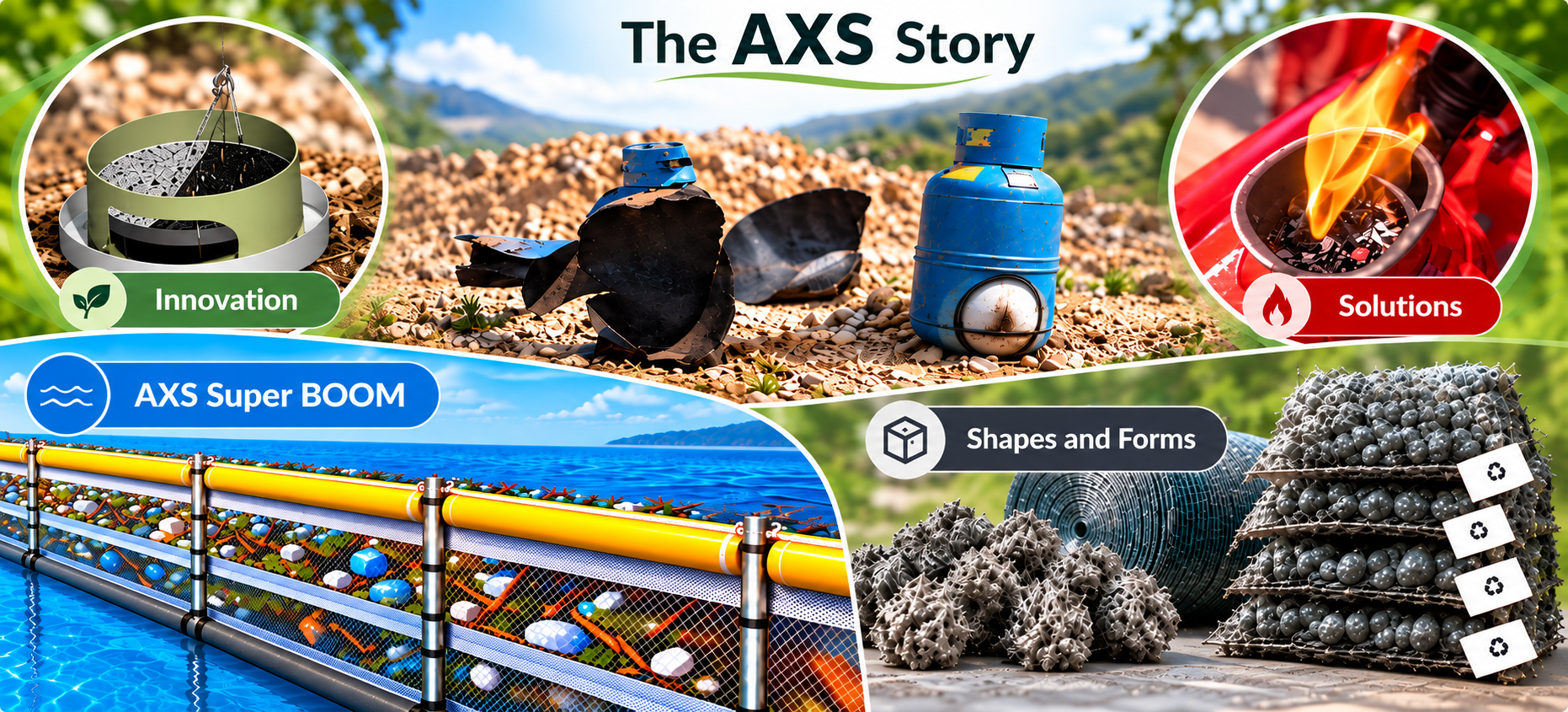
Innovation • Shapes and Forms • Solutions
Solutions for Critical Problems
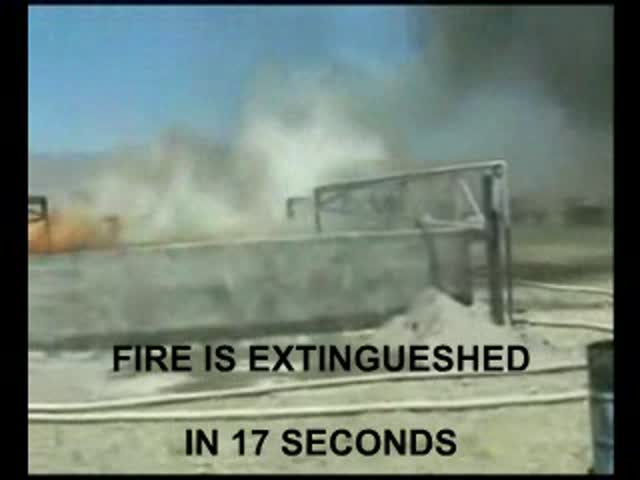
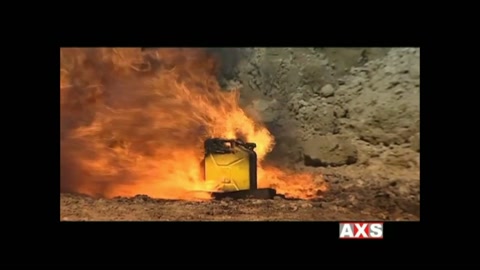
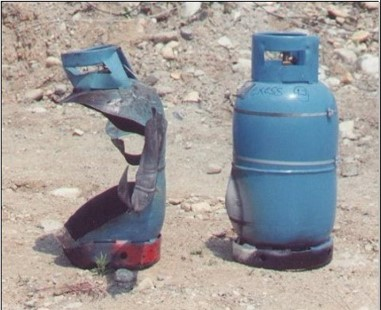
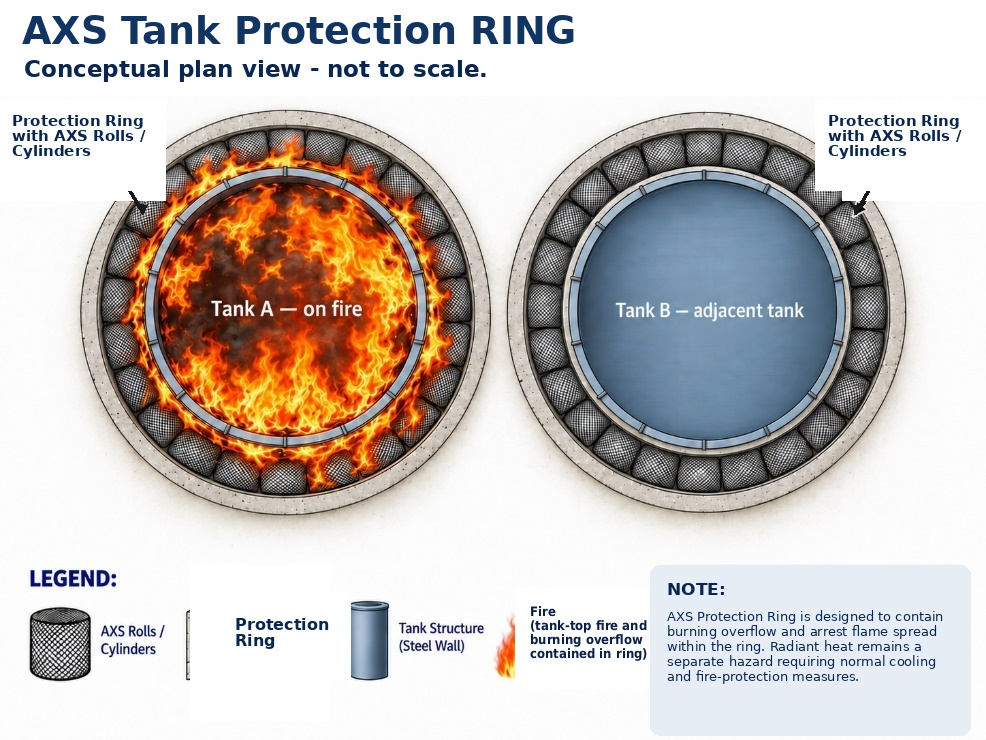
AXS Tank Protection Ring
An engineered additional layer of protection designed to keep a fuel release close to the first tank and reduce escalation across the tank farm.
The AXS Tank Protection Ring is designed to work alongside the tank farm’s existing overfill prevention, fixed foam, shell cooling, secondary containment and emergency-response systems.
Demonstrating the Solution.
The Saudi presentation shows the AXS approach in practice: explain the problem, demonstrate the engineered application, then move into implementation.
From solution to installation.
The Oman project continues the same sequence: site preparation, material handling, tank access and placement of AXS floating rolls inside the tank.
View the Oman installation →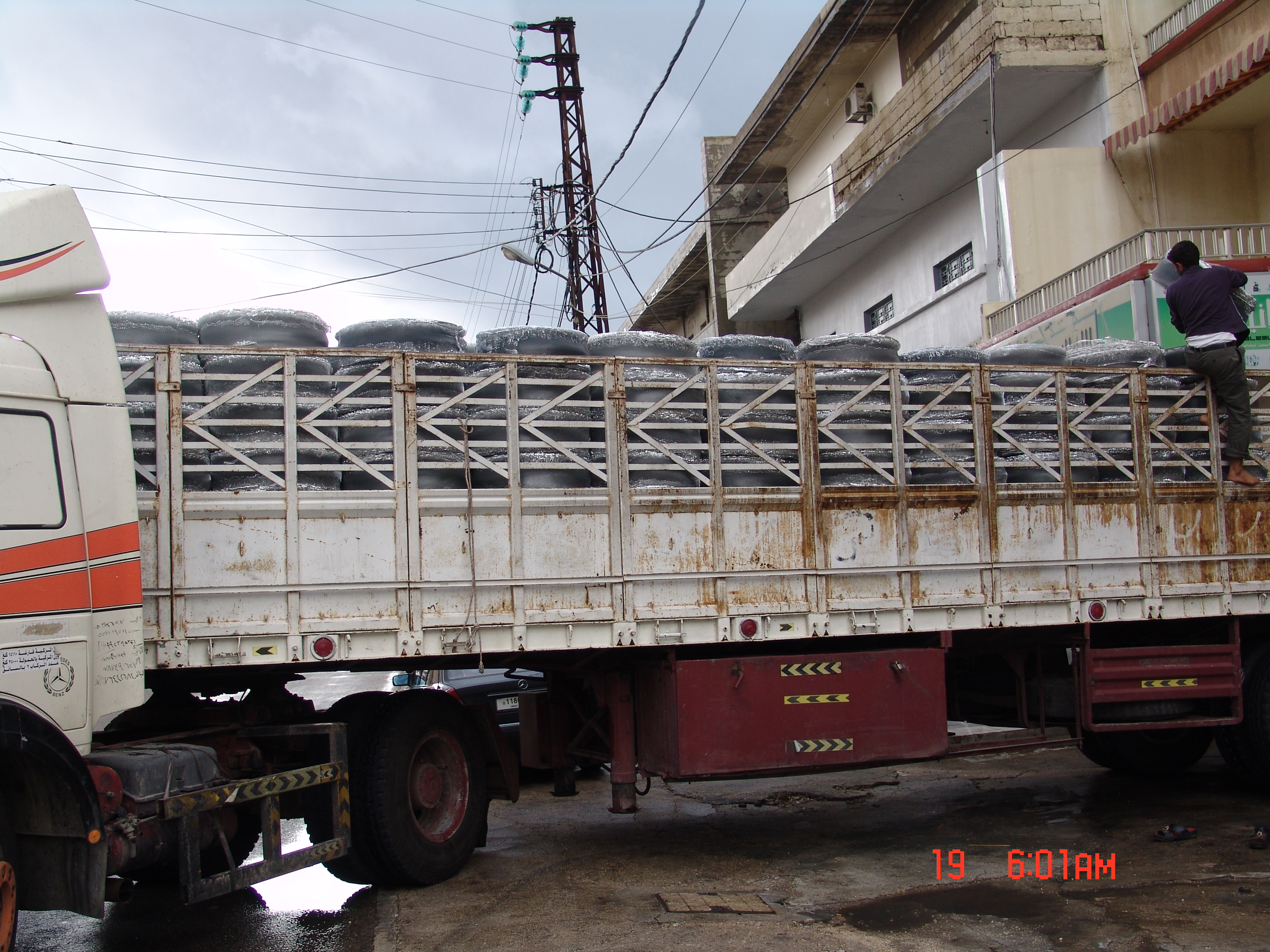
From problem to resolution.
Define the Problem.
Engineer the Application.
Implement the Solution.
Resolve the Problem.
AXS Solutions are based on physics principles.
No chemical interaction is involved. AXS provides protection through the physical structure of its network and the way it absorbs and distributes heat.
Historical TÜV records address compatibility with specified petroleum products.
What do you need to protect?
Tell AXS about the tank, fuel system, storage application or environmental problem. Start with the problem — then define the solution.

